Divine
Artwork By:
Ollinca Torres
Words By:
Justin Elizabeth Sayre
Scroll Down

About
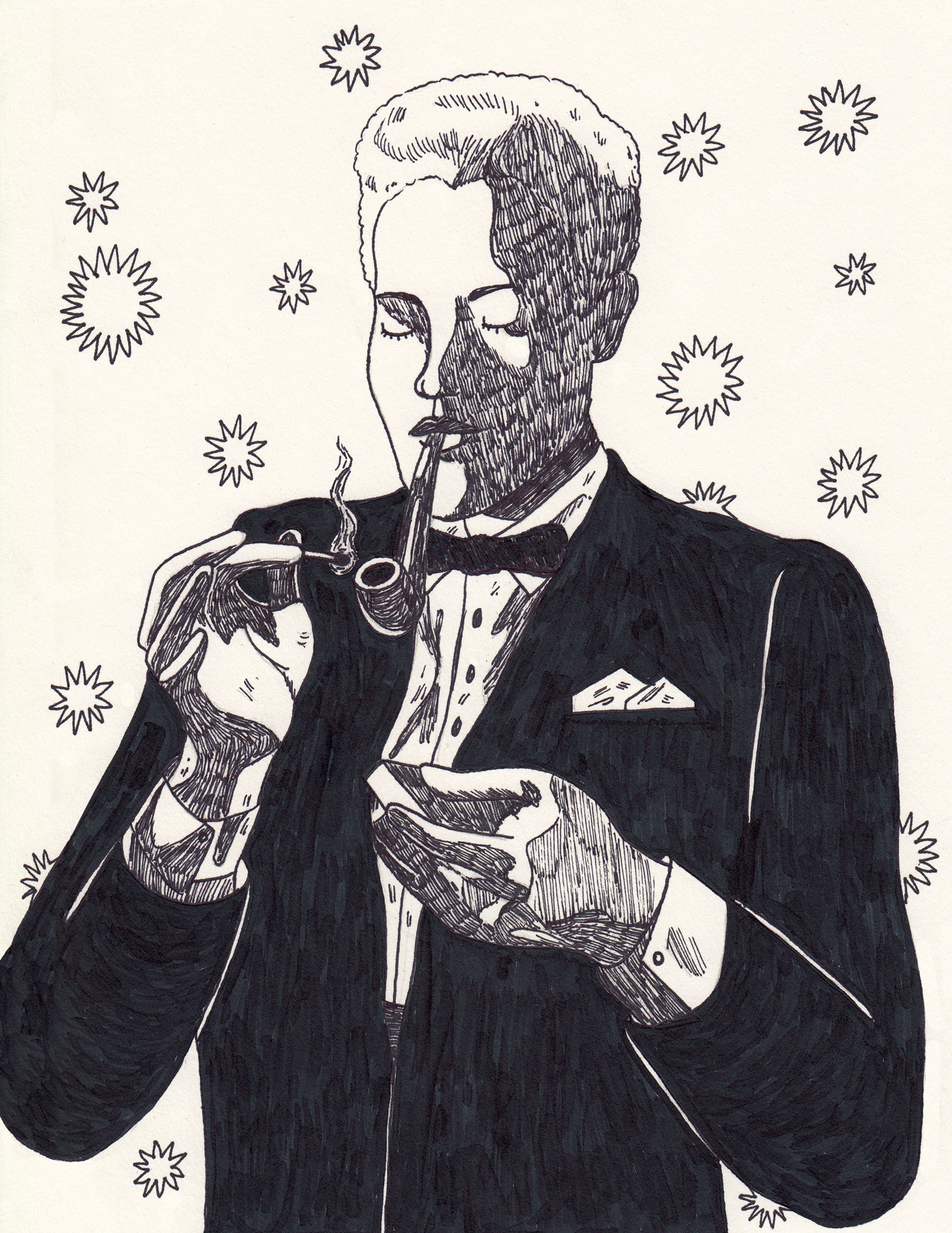
When I think of Divine, I think of a bravery that’s hard to understand now. There she was, this fat, feminine kid from Baltimore, Maryland, who dreamed of being a star, at a time in the United States when being gay was considered a crime or mental illness. Into this world, Divine, born Harris Glenn Millstead, subverted not only the expectations of what a drag queen could be, but created a path that never even seemed possible. To think on Divine in these terms, far from the icon we all know now, then and only then can we truly understand the breath of her stardom, and the invention of the drag superstar.
Divine met his director and friend John Waters in High School, when they were two gay kids obsessed with movies and subverting everything that was “normal” or “decent.” With this renegade spirit and the highest of camp sensibilities, they began to make movies. Just small home reels, mostly for their friends, but even in these early amateur offerings, you can already spot sparks of the genius yet to come. Watch her early takes in Mondo Trasho or Multiple Maniacs, and you see the beginnings of a star. The stature is there, the grandiosity of the great dames of the movies he loved, and yet his comedy chops are also superb. It’s not a game for Divine, it’s the beginning of a dream.
It seems inevitable that she would be a superstar. The rest of the world would have to recognize this enormous talent, and yet in the beginning and for many years after, nothing for Divine was assured. When Pink Flamingos lit up the underground movie scene and made Divine an infamous dog-shit-eating star, who knew what else would lay in store for her? When Female Trouble and Polyester made the world take note of her talents and she got to share the screen with her childhood crush Tab Hunter, was she ever assured that this same world would be ready for all that she had to offer? When she was the toast of Off-Broadway in plays like Women Behind Bars and The Neon Woman, both by Tom Eyen who’d go onto write Dreamgirls, did she ever think she’d truly made it? And for that gay little chubby boy from Baltimore what did making it as a drag star even look like?
Iconoclasts like Divine are hard to reckon with, especially as they leave so much changed in their wake. They become such a vital part of the culture, that they seem inevitable, but there was nothing inevitable about Divine or all the places she would go. From movies to theatre to Top of the Pops and dancing on stage with Elton John, Divine created himself and in doing this brave and uncharted work, he created a space for so many other gay, chubby, effeminate kids to be stars of their own. And just when it was all taking yet another direction, when he was about to take on new adventures in the mainstream, with the success of Hairspray, Divine was gone. Taken too soon from a world that was just catching up to his brilliance. Gone at just 43 years old. And left us all still standing in his wake. From all that he did, all that he was, and all that he inspired, Divine was a thing of beauty and an invention completely his own. When he first uttered the words, “I am Divine,” in Pink Flamingos he was just beginning to step into a power that he was claiming for himself and creating a space where every freak, misfit, and outcast could be divine.
Category
Entertainment